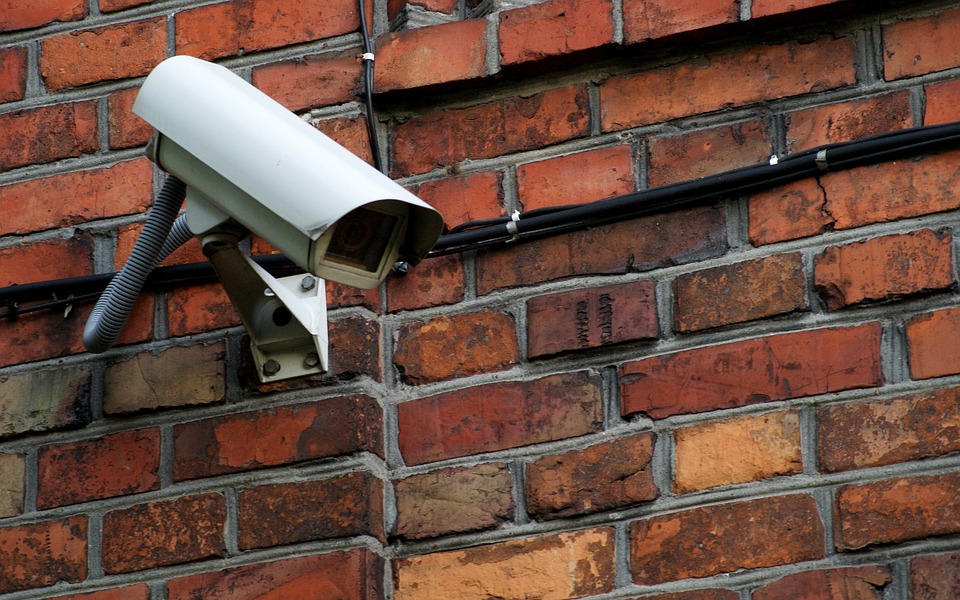



How AI Improves Predictive Maintenance in Modern Industries
Modern industries depend on machines that operate continuously to keep production, logistics, and essential services running smoothly. Even a single equipment failure can interrupt operations, increase expenses, and delay customer deliveries. Traditionally, maintenance followed either a fixed schedule or occurred only after equipment stopped working. Both approaches have limitations. Scheduled maintenance may replace parts that are still in good condition, while reactive maintenance often results in costly downtime. Artificial intelligence is changing this process by making maintenance more proactive. Understanding how AI improves predictive maintenance in modern industries helps explain why businesses are investing in smarter technologies to improve reliability and operational efficiency.

Collecting Operational Data
Predictive maintenance begins with data. Modern industrial equipment is often equipped with sensors that monitor temperature, vibration, pressure, energy consumption, sound, and many other operating conditions. These sensors generate continuous streams of information while equipment is running. Instead of relying on occasional inspections, organizations receive ongoing updates about machine performance. AI systems process this large volume of information much faster than manual analysis could achieve. By organizing and interpreting operational data, AI creates a clearer picture of how equipment performs under normal conditions. This foundation allows future changes to become easier to recognize before they develop into serious problems.
Predicting Equipment Failures
One of AI’s greatest advantages is its ability to estimate when equipment may require maintenance rather than simply identifying current problems. Machine learning algorithms study previous equipment failures alongside current operating conditions. Over time, the system learns which combinations of data often appear before breakdowns occur. Instead of waiting until a failure happens, maintenance teams receive alerts indicating that a component may soon require attention. This prediction supports better planning because repairs can be scheduled during convenient maintenance windows rather than during unexpected production interruptions. Better timing reduces operational disruption while extending equipment availability.
Improving Maintenance Planning
Maintenance scheduling becomes more efficient when decisions are based on actual equipment condition rather than fixed calendars. AI supports this transition by providing maintenance recommendations based on real operating data. Instead of servicing every machine at identical intervals, technicians can focus attention on equipment showing signs of developing wear. Components that remain in excellent condition continue operating safely without unnecessary replacement. This condition-based approach helps organizations allocate labor, replacement parts, and maintenance resources more effectively. Better planning also reduces unnecessary service visits while improving the productivity of maintenance teams.
Reducing Operational Costs
Unexpected equipment failures often create expenses beyond the repair itself. Production delays, emergency labor, replacement parts, overtime, and lost business opportunities may all increase overall operating costs. Predictive maintenance helps reduce many of these expenses by identifying problems before they become emergencies. Planned repairs are generally less disruptive than emergency breakdowns. Equipment also experiences less secondary damage when small issues receive prompt attention. Better maintenance scheduling contributes to longer equipment life while reducing unnecessary component replacement. Although implementing AI technology requires investment, many organizations recognize long-term financial benefits through improved operational stability and more efficient maintenance practices.

Detecting Performance Changes
Every machine develops predictable operating patterns during normal use. Small variations naturally occur, but larger changes may indicate developing mechanical issues. AI analyzes historical and real-time information to identify deviations from normal behavior. For example, a gradual increase in motor vibration or an unexpected rise in operating temperature may signal that a component is beginning to wear. These changes might not be noticeable during routine inspections. AI identifies subtle patterns that human operators could easily overlook. Early detection allows maintenance teams to investigate potential concerns before equipment experiences significant damage or complete failure.
Supporting Long-Term Industrial Reliability
Industrial facilities continue adopting automation, connected equipment, and digital monitoring systems. AI strengthens these technologies by transforming large amounts of operational data into practical maintenance insights. As machine learning models receive additional operating information, their predictions often become more accurate over time. Maintenance teams gain greater confidence when planning inspections, ordering replacement parts, and scheduling repairs. AI also supports safer working environments by reducing the likelihood of sudden equipment failures that could create hazardous conditions. Rather than replacing maintenance professionals, AI provides decision support that improves both efficiency and reliability across many industrial sectors.
Artificial intelligence is transforming predictive maintenance by collecting operational data, detecting performance changes, predicting equipment failures, improving maintenance planning, reducing operational costs, and supporting long-term industrial reliability. Instead of reacting to breakdowns after they occur, organizations can address developing issues before they interrupt daily operations. Understanding how AI improves predictive maintenance in modern industries demonstrates how intelligent technology supports better operational decisions through continuous analysis and early problem detection. As industries continue expanding their use of connected equipment and automation, predictive maintenance powered by AI will remain an important tool for improving productivity, protecting valuable assets, and supporting more reliable business operations.…

 First things first: setting limits. It’s not about banning screens, but rather about making screen time work for your family. Instead of just setting a timer and saying “That’s it,” get creative with how you approach limits. For example, use a “screen time token” system where kids earn their screen time by completing other activities. This approach turns the idea of limits into a fun challenge, where they can feel like they’re positively earning their screen time. Plus, it encourages kids to balance both their screen activities and physical playtime, all while making the process feel like a game instead of a chore.
 As important as tech is, it’s just as important to have totally screen-free moments. Create “tech-free zones” in your home, like during family meals or before bedtime. This helps reinforce the idea that some times are meant for face-to-face interaction, building relationships, and connecting as a family. Use this time to get creative! Whether it’s playing board games, making up silly stories, or tackling a craft project together, the goal is to engage in activities that don’t involve screens. It’s all about balance—so don’t feel guilty about tech when you’re also making room for these screen-free moments.
 AI-powered software refers to applications that leverage artificial intelligence (AI) algorithms to perform tasks that would traditionally require human intelligence. This could include learning from data, recognizing patterns, making decisions, and understanding natural language. The critical difference between traditional and AI-powered software is that AI can adapt, learn, and improve over time—making it more efficient and powerful. AI-powered software uses technologies like machine learning (ML), natural language processing (NLP), and computer vision to carry out tasks. These tools help the software “learn” from data and experiences, providing more personalized, intelligent, and automated solutions.
 As cybersecurity threats become more sophisticated, AI is stepping in to help protect businesses and users. AI-powered software can detect unusual patterns of behavior, identify potential security breaches, and automatically respond to threats in real time. For example, AI can monitor network traffic to spot anomalies that might indicate a cyber attack or use facial recognition to enhance security in physical locations. In financial services, AI is already being used to spot fraudulent transactions by recognizing patterns that would be difficult for humans to detect. This makes AI a powerful tool in the ongoing fight against cybercrime, helping organizations stay one step ahead of malicious actors. Software development experts have been leveraging AI for its clients in the financial industry to enhance security and prevent fraud.







 Live streaming also allows for greater interactivity between viewers and the game. Many live-streaming platforms offer chat rooms and social media integration so viewers can discuss the game in real-time with other fans worldwide. This interactivity enhances the viewing experience, allowing fans to engage with others who share the same passion for the sport. Fans can share their opinions, ask questions, and even make predictions about the game’s outcome.
 Live streaming is also cost-effective for sports fans. Traditional TV packages can be costly, and many sports leagues and teams offer streaming services that are much more affordable. By subscribing to these services, fans can access all the games they want to watch without paying for channels they don’t need. Additionally, live-streaming services often offer free trials and promotions, allowing fans to try the service before committing to a subscription.
 Another key consideration is that less is often more regarding audio content. People have shorter attention spans when listening to audio than reading text. As such, you’ll want to ensure that your audio content is concise and to the point. Otherwise, you run the risk of losing your audience’s attention. It’s also important to keep in mind that people consume audio content differently than they do text. People usually do other things simultaneously when listening to the audio, such as driving or working out. This means that you’ll need to make your content easy for people to digest while still providing value.
 Finally, when choosing a
 One of the best ways to use technology to keep yourself and your family safe is by staying informed. There are several ways to do this, but social media is one of the most effective. You can follow news outlets, safety organizations, and even first responders on social media to stay up-to-date on what is happening in your area. Many social media platforms have features that allow you to receive emergency alerts from local authorities. Another way to stay informed is by downloading safety apps onto your smartphone.
 Another way to use technology to keep yourself and your family safe is by tracking your belongings. It is imperative if you have valuable items that you need to keep track of. There are different ways to track your belongings, but GPS is one of the most effective. GPS tracking devices can be placed on almost anything, and they allow you to track the location of your belongings in real-time. It can be beneficial if you ever lose something or if it is stolen.
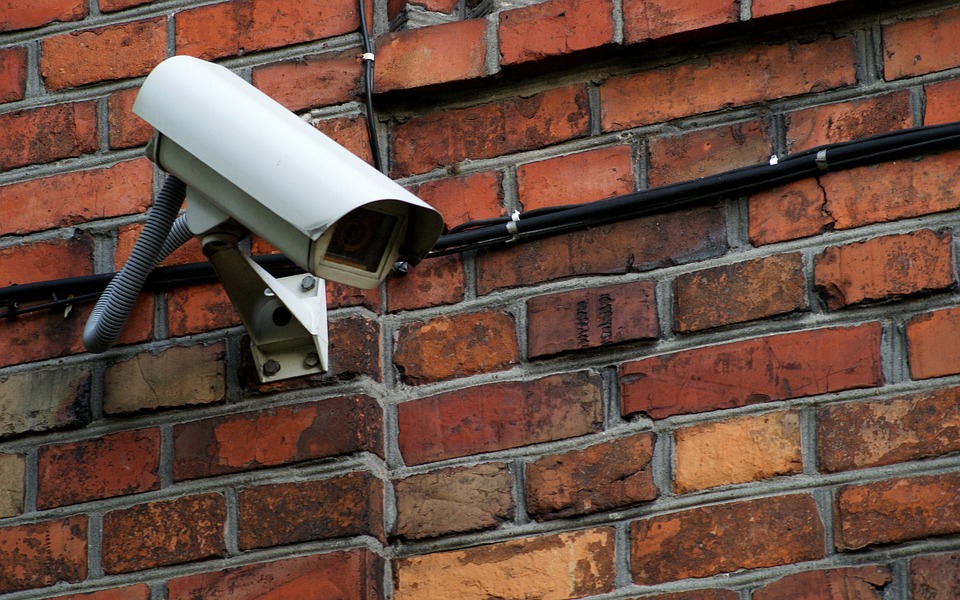
 It is essential to buy quality spy cameras with high resolution because it will be easier to recognize intruders. Most wireless cameras have high resolution and enable you to record quality videos. Cameras with high resolution will provide higher quality videos and are clear to show the faces of people. It is essential to invest in buying a spy camera with the best lens quality to provide quality images. Check for online reviews on the internet to know what customers say about the quality of the spy camera lens before buying it. Therefore, consider choosing the best video resolution of about 1080p because they show clear images.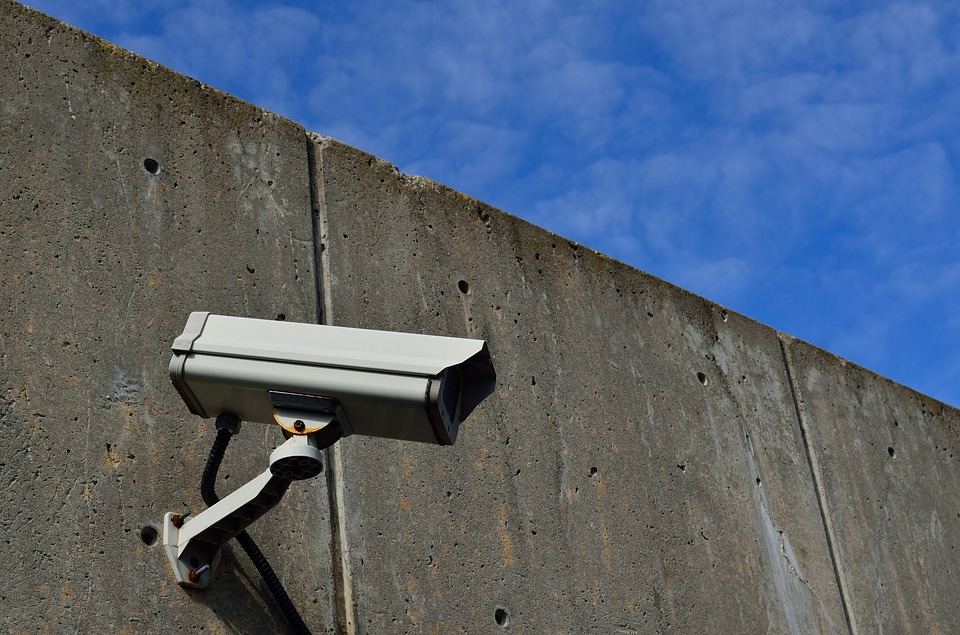



 Finances are essential when seeking to get the best goods and services from any organization or individual. From the list of recommendations that you will manage to compile, build a realistic




 A website that fails to support peak demand, or one that remains static while new information comes and dominates the market will be a detriment to the business. Consumers are always on their phones, and taping on a link takes less than a second. Websites and other online resources must work together as an ecosystem to allow people to watch videos, read and write reviews about products. Also, they can help people get jobs in recruitment portals, organize themselves as fans and many other things. If there is no connection, then there would be no reliable way of communicating the brand values or feedback from consumers. Consultants will help fix the online ecosystem for your firm.